

When choosing a carabiner for rock climbing, prioritize features like gate type (locking or non-locking), material (aluminum for lightness, steel for strength), and strength rating (measured in kN). Consider the shape (D, oval, or HMS) for specific climbing needs, and ensure the mouth opening is wide enough for easy clipping. A keylock design can help prevent snagging on ropes or gear.

Rock climbing is an exhilarating adventure that requires skill, determination, and reliable gear. Among the essential pieces of equipment, a carabiner plays a crucial role in ensuring safety and efficiency during climbs. Choosing the right climbing carabiner can significantly impact your overall climbing experience. This article delves into the top features to look for in a rock climbing carabiner to help you make an informed decision.
Table of Contents
Importance of Choosing the Right Carabiner
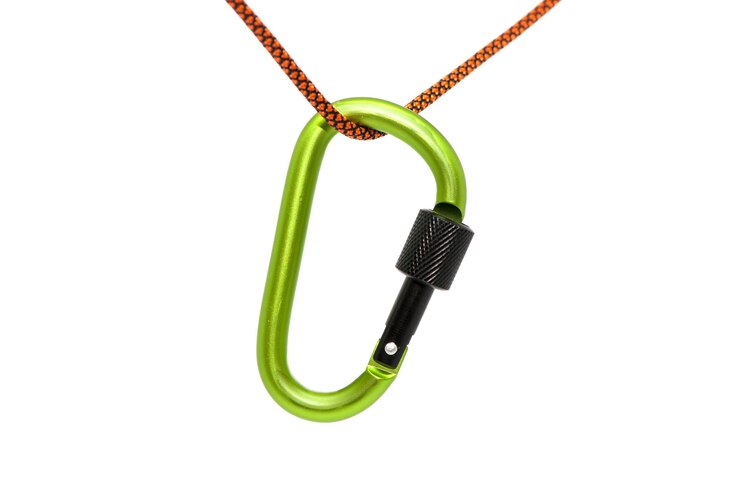
A carabiner is more than just a connector; it is a critical component in any climbing setup. Whether you’re scaling cliffs or navigating tricky terrains, a quality climbing carabiner ensures safety and convenience. Selecting the wrong type can compromise your safety or limit your climbing performance.
Key Features to Look for in a Climbing Carabiner
Strength and Durability
The strength of a climbing carabiner is one of the most important factors to consider. Look for carabiners made from high-grade aluminum or steel. These materials offer the durability required to handle the immense forces experienced during climbing. A durable rock climbing carabiner ensures it will last through multiple adventures without compromising safety.
Locking Mechanism
A locking carabiner is vital for added security. This feature prevents accidental gate openings, which could lead to dangerous situations. When choosing a small locking carabiner, you’ll typically encounter different types of locking mechanisms, such as screw locks, twist locks, and magnetic locks. Each has its advantages, depending on your preference and climbing needs.
Gate Type
The gate of a carabiner determines how easy it is to clip and unclasp. You can choose from straight gates, bent gates, and wire gates. A straight gate is simple and durable, while a bent gate makes clipping easier. Wire gates are lightweight and resistant to freezing, making them ideal for various climbing conditions.
Size and Weight
While larger carabiners are easier to handle and clip, a small locking carabiner can reduce weight without compromising safety. This feature is particularly important for climbers who prefer a minimalist approach to gear.
Shape and Design
The shape of the climbing carabiner affects its versatility and strength distribution. Popular shapes include D-shaped, oval, and pear-shaped carabiners. D-shaped carabiners are strong and ideal for general climbing, while pear-shaped designs work well for belaying and rappelling.
Suggested Products
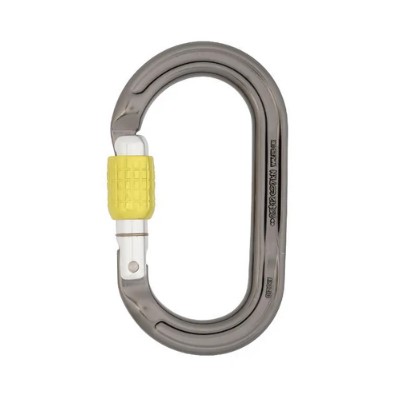
DMM UltraO Carabiner
The DMM UltraO Carabiner is a versatile climbing carabiner designed for professionals and enthusiasts alike. Its classic oval shape ensures stability and self-centering of loads when weighted, making it an excellent choice for rigging, belaying, and anchoring systems. This carabiner is available in various gate types, including Screwgate, Kwiklock, Locksafe, and Durolock, catering to a wide range of climbing and rigging needs.
Key Features:
- Keylock Nose: Prevents snagging, ensuring seamless clipping and unclipping from gear.
- Oval Shape: Provides rigging stability and promotes the central positioning of attachments for balanced loads.
- I-Beam Construction: Offers a superior strength-to-weight ratio using hot forging techniques.
- Captive Bar Option: Maintains proper orientation, ensuring tamper-proof and secure systems.
Specifications for Each Variant:
- Screwgate:
- Major Axis Strength: 25 kN
- Gate Opening: 22 mm
- Weight: 67 g
- Certifications: EN362:2004 B, EN12275:2013 B, UIAA121:2009
- Kwiklock:
- Major Axis Strength: 25 kN
- Gate Opening: 19 mm
- Weight: 74 g
- Certifications: EN362:2004 B/T, EN12275:2013 B, UIAA121:2009
- Locksafe:
- Major Axis Strength: 25 kN
- Gate Opening: 19 mm
- Weight: 74 g
- Certifications: EN362:2004 B/T, EN12275:2013 B, UIAA121:2009
- Durolock:
- Major Axis Strength: 25 kN
- Gate Opening: 20 mm
- Weight: 74 g
- Certifications: EN362:2004 B, EN12275:2013 B
The DMM UltraO Carabiner is ideal for climbers seeking durability, safety, and versatility. Its multiple gate options make it a reliable choice for both simple and complex climbing systems.
DMM PerfectO Carabiner
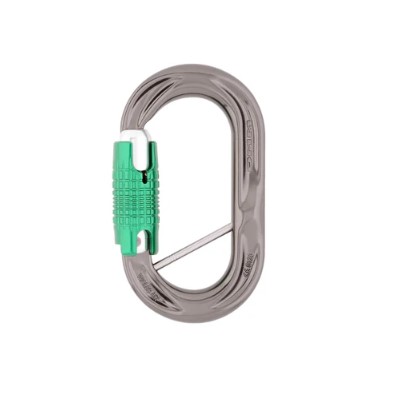
The DMM PerfectO Carabiner is a compact and precise oval-shaped locking carabiner designed for effortless handling. This carabiner stands out for its small size and efficient load distribution, ensuring durability and minimal wear on connected gear. Whether used for climbing, belaying, or gear organization, its smooth functionality and lightweight design make it a popular choice among climbers.
Key Features:
- Keylock Nose: Avoids snagging for smooth operation during climbs.
- Compact Oval Shape: Allows efficient load centering and easy one-handed use.
- Rounded Rope-Bearing Surfaces: Reduces wear on ropes and slings, extending the lifespan of gear.
- Auto-Locking Variants: Provide additional safety for more demanding climbing setups.
Specifications for Each Variant:
- Screwgate:
- Major Axis Strength: 24 kN
- Gate Opening: 16 mm
- Weight: 60 g
- Certifications: EN12275:2013 X/B, EN362:2004 B
- Kwiklock:
- Major Axis Strength: 24 kN
- Gate Opening: 15 mm
- Weight: 66 g
- Certifications: EN12275:2013 X/B, EN362:2004 B
- Locksafe:
- Major Axis Strength: 24 kN
- Gate Opening: 15 mm
- Weight: 66 g
- Certifications: EN12275:2013 X/B, EN362:2004 B
The DMM PerfectO Carabiner is an excellent choice for climbers looking for a lightweight, reliable, and safe climbing carabiner. Its compact design and strong build make it suitable for challenging climbs and versatile use.
Types of Carabiners for Rock Climbing
Non-Locking Carabiners
Non-locking carabiners are lightweight and ideal for less critical tasks like carrying gear or connecting accessories. However, they are not recommended for primary climbing anchors.
Locking Carabiners
Locking carabiners are essential for safety-critical connections, such as securing your harness or belay device. They come in various locking mechanisms, each catering to different preferences and climbing scenarios.
Specialized Carabiners
The Specialized climbing carabiners, such as those designed for belaying or ice climbing, have specific features tailored to their intended purpose. These are worth considering for more advanced climbing activities.
Maintenance Tips for Your Carabiner
Proper maintenance of your rock climbing carabiner is essential to ensure its longevity and performance.
- Clean Regularly: Remove dirt and debris that can interfere with the locking mechanism.
- Inspect for Wear: Check for cracks, sharp edges, or gate malfunctions before each use.
- Store Properly: To prevent corrosion, keep carabiners in a dry, cool place.
FAQs
What is the difference between locking and non-locking carabiners?
Locking carabiners have a mechanism to secure the gate, preventing accidental openings. They are used for critical connections like securing harnesses or belay devices. Non-locking carabiners, on the other hand, are lighter and more suitable for carrying gear or less critical tasks.
Which material is better for carabiners: aluminum or steel?
Aluminum carabiners are lightweight and ideal for most climbing scenarios, while steel carabiners are heavier but more durable, making them suitable for high-wear applications like industrial or rescue work.
How do I choose the right shape of a carabiner for climbing?
The choice depends on the purpose:
- D-shaped: Offers maximum strength and is versatile for most climbing uses.
- Oval-shaped: Ensures balanced load distribution and stability.
- Pear-shaped: Ideal for belaying and rappelling.
What is the benefit of a wire gate carabiner?
Wire gates are lightweight, less prone to freezing in cold conditions, and reduce gate flutter (unintentional opening due to rope or force impact), making them a great option for ice and alpine climbing.
How often should I inspect my carabiners?
Carabiners should be inspected before each use. Look for cracks, sharp edges, gate misalignment, or wear that could compromise their safety. Replace them immediately if any damage is found.
Final Thoughts
Selecting the right carabiner is essential for ensuring both safety and efficiency in rock climbing. By understanding key features like strength, locking mechanisms, gate types, and shapes, climbers can choose a carabiner tailored to their specific needs. Brands like SGT Knots Supply Co. offer reliable options, such as the UltraO and PerfectO, which combine durability, lightweight design, and innovative features. Remember, proper maintenance and regular inspections of your carabiners will enhance their longevity and keep you safe on your climbing adventures. Prioritize quality and suitability when investing in this indispensable climbing tool.